The Rise of AI in Game Development in 2026
Introduction
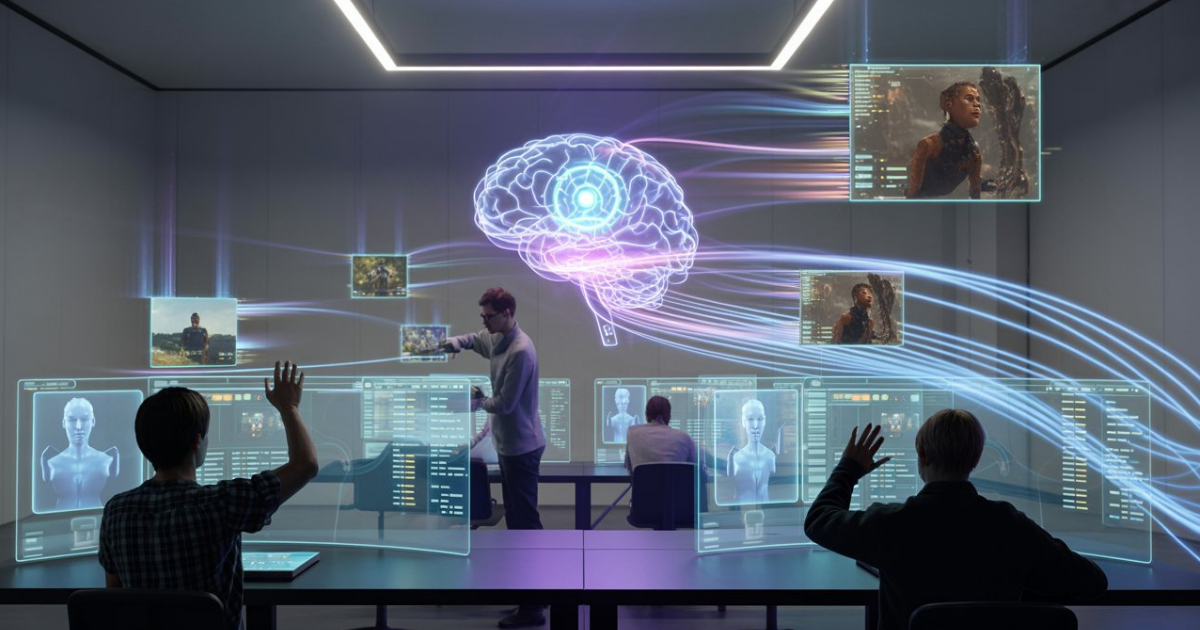
Artificial Intelligence is rapidly transforming the gaming industry. In 2026, game studios are integrating AI-powered tools into their workflows to improve efficiency, automate repetitive tasks, and create more immersive gameplay experiences.
Traditionally, game development required large teams to manually design characters, environments, and gameplay systems. However, modern AI tools now assist developers in generating assets, analyzing player behavior, and designing dynamic game worlds.
AI is not replacing game developers — it is empowering them to create better experiences.
As a result, studios can develop complex games faster while maintaining creativity and innovation.
Smarter NPC Behavior
One of the most significant impacts of AI in gaming is the improvement of NPC (Non-Player Character) behavior.
In older games, NPCs followed scripted instructions and predictable patterns. Players could easily recognize these patterns, which reduced immersion. However, modern AI-driven NPC systems allow characters to respond dynamically to player actions.
AI-powered NPC systems can now:
- Adapt to player strategies
- React dynamically to gameplay situations
- Learn from player interactions
- Create more realistic encounters
Because of this, game worlds feel more alive and interactive.
Faster Asset Creation
Game development requires thousands of assets including textures, animations, sound effects, and environments. Creating these assets manually can take a long time.
AI tools now help developers generate assets much faster, including:
- High-quality textures
- Character animations
- Dialogue scripts
- Environmental designs
- Concept art
This significantly reduces development time and allows developers to focus more on creativity and gameplay design.
Procedural Game Worlds
Procedural generation has existed in games for years, but AI has taken it to a completely new level.
Developers can now use AI algorithms to automatically generate:
- Infinite maps and terrains
- Dynamic quests and missions
- Randomized environments
- Unique gameplay experiences
This means that every player can experience a slightly different version of the game world, increasing replay value.
AI in Game Testing and Quality Assurance
Testing games manually can take a lot of time because developers must test thousands of gameplay interactions.
AI-powered testing tools can simulate player behavior and automatically detect issues such as:
- Bugs and glitches
- Performance issues
- Navigation errors
- Gameplay balancing problems
Example automated testing logic:
simulate_player_actions()
detect_collision_errors()
report_gameplay_bugs()
Using AI in testing helps developers release more stable and optimized games.
Personalized Player Experiences
AI is also helping developers create personalized gaming experiences.
By analyzing player behavior, AI systems can adapt gameplay elements based on how someone plays the game.
For example, AI can:
- Adjust difficulty levels automatically
- Recommend missions based on progress
- Modify enemy behavior depending on skill level
This creates a more engaging experience for players and keeps them interested for longer periods.
The Future of AI in Game Development
The future of AI in gaming looks extremely promising. As AI technology continues to improve, developers will gain access to more advanced tools that simplify development and unlock new creative possibilities.
Future possibilities include:
- AI-generated storylines
- Real-time world generation
- Emotionally intelligent NPCs
- Dynamic gameplay environments
These advancements will allow developers to focus more on storytelling and creativity.
Conclusion
Artificial Intelligence is reshaping the gaming industry. From smarter NPCs to automated asset creation and intelligent testing systems, AI is helping developers create better games faster than ever before.
Studios that adopt AI-driven tools early will gain a strong competitive advantage in the evolving gaming industry.